























There was a time when I didn’t feel afraid.
I could leave my house without checking who was nearby. My family could go out to eat without worrying that someone might be watching us. That feeling of safety is gone.
Now, before I step outside, I look around. I wonder if immigration agents will be nearby. I worry about my family being taken without warning. The fear is constant, and it is exhausting.
“The fear is constant, and it is exhausting.”
I know I am not alone.
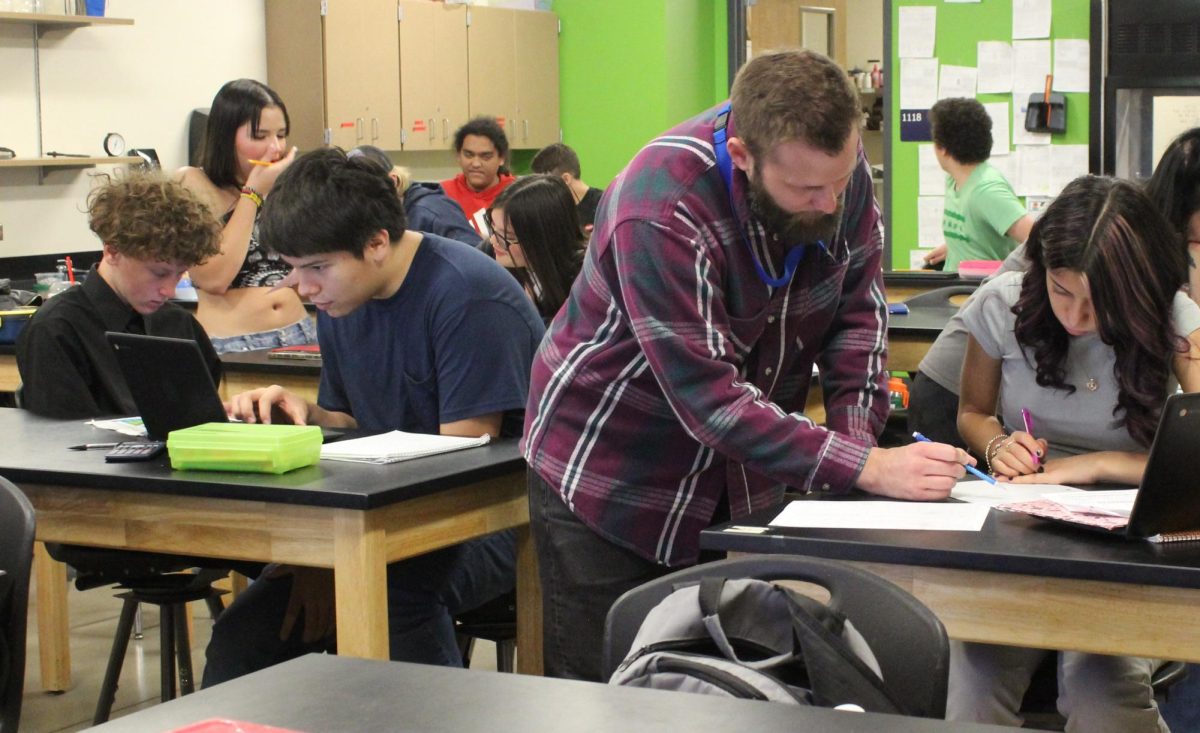
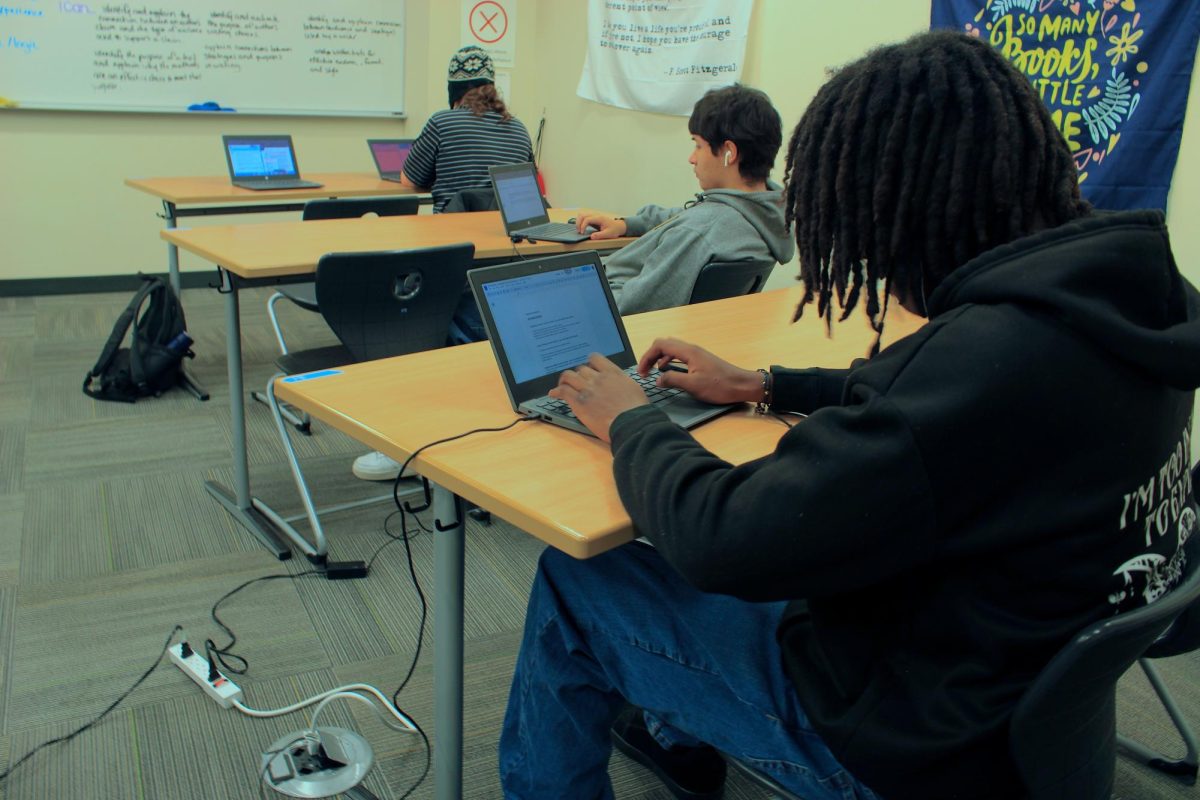
At Englewood High School, many students share these fears. Students who look like me. Students whose families came to the United States searching for safety, work, and opportunity. For many of us, the increased presence of Immigration and Customs Enforcement, commonly known as ICE, has turned everyday life into a source of anxiety.
A Personal Experience
On Thursday, January 29, 2025, my mom came home from work shaking and crying.
She told me that when she arrived at her job, she went into the women’s bathroom. Moments later, restaurant staff rushed in and warned her that ICE agents were outside the building. According to my mom, the restaurant manager tried to prevent the agents from entering while two police officers were present, but did not intervene.
Although the agents eventually left without detaining anyone, the fear did not leave with them.
My mom is now afraid to return to work. She worries that next time, she may not be so lucky. She worries that she could be taken without us knowing where she is or what will happen to her.
“My mom is now afraid to return to work.”
This is what fear looks like for many immigrant families in our community.
What Students Are Saying
To better understand how others feel, we spoke with several Englewood High School students. For their safety, some names are being withheld.
One ninth-grade student shared that his family migrated to the United States before he was born.
“My family came here to give me a better life and education,” he said. “Now we’re always alert. When we drive around, we’re looking for undercover agents.”
“When we drive around, we’re always alert.”
Another student explained how the fear follows him home from school.
“My parents are very aware of what’s happening around our area,” he said. “It’s scary because I could come home one day and my parents might not be there.”
He described the situation as deeply unfair.
“It feels heartbreaking that my family has to live in fear while others don’t have to worry at all,” he said. “ICE has affected my family, and it’s something I think about all the time.”
“It feels heartbreaking that my family has to live in fear while others don’t.”
These are not isolated feelings. They are shared by many students in our hallways.
Why the Fear Is Growing
Concerns about ICE have increased nationwide, including here in Colorado. According to data published by Immigration and Customs Enforcement, a large portion of individuals detained by ICE do not have violent criminal records. Reporting from national news organizations and immigration advocacy groups has also documented cases where individuals were detained while awaiting immigration court hearings or for minor violations.
ICE states on its official website that its mission is to target serious criminal organizations and protect public safety. However, many immigrant families believe their lived experiences do not reflect that mission, particularly when parents, workers, and long-time community members are detained.
Media messaging has added to these fears. Some political advertisements and statements have used language such as “illegal aliens,” a term many immigrants view as dehumanizing. Immigration experts and fact-checking organizations have warned that claims suggesting immigrants can easily return after leaving the country voluntarily are often misleading.
According to multiple independent fact-checking organizations, President Donald Trump made tens of thousands of false or misleading claims during his presidency, including statements related to immigration policy. This has made it difficult for immigrant families to know what information they can trust.
Why This Matters to Everyone
Immigrants make up a major part of the U.S. workforce. Federal labor data shows that immigrants represent nearly one-fifth of workers nationwide. They are farmworkers, restaurant employees, construction workers, caregivers, and business owners.
When families live in fear, communities are affected. Businesses lose workers. Children lose stability. Students struggle to focus in school.
“When families live in fear, communities are affected.”
Even for those who are not immigrants, these policies matter. Fear and uncertainty weaken communities rather than strengthen them.
A Different Approach
Many students understand that the government has a responsibility to enforce laws. However, we believe the current approach causes unnecessary harm.
Detaining people with no criminal records does not make communities safer. Long waits for immigration court dates, sometimes lasting months or years, keep families separated and living in uncertainty.
If the goal is safety and fairness, there are other options. Hiring more immigration judges could reduce case backlogs. Prioritizing serious crimes instead of everyday workers could reduce fear. Treating immigrants with dignity could help rebuild trust.
Our Reality
For immigrant students, this issue is not political. It is personal.
It is the fear we carry into classrooms. The worry we bring home after school. The anxiety of wondering whether our families will still be together tomorrow.
“For immigrant students, this issue is not political. It is personal.”
We are students. We are part of this community. And our voices deserve to be heard.