

















Character.AI may seem like just another harmless app, but for many students, it raises serious concerns that should not be ignored.
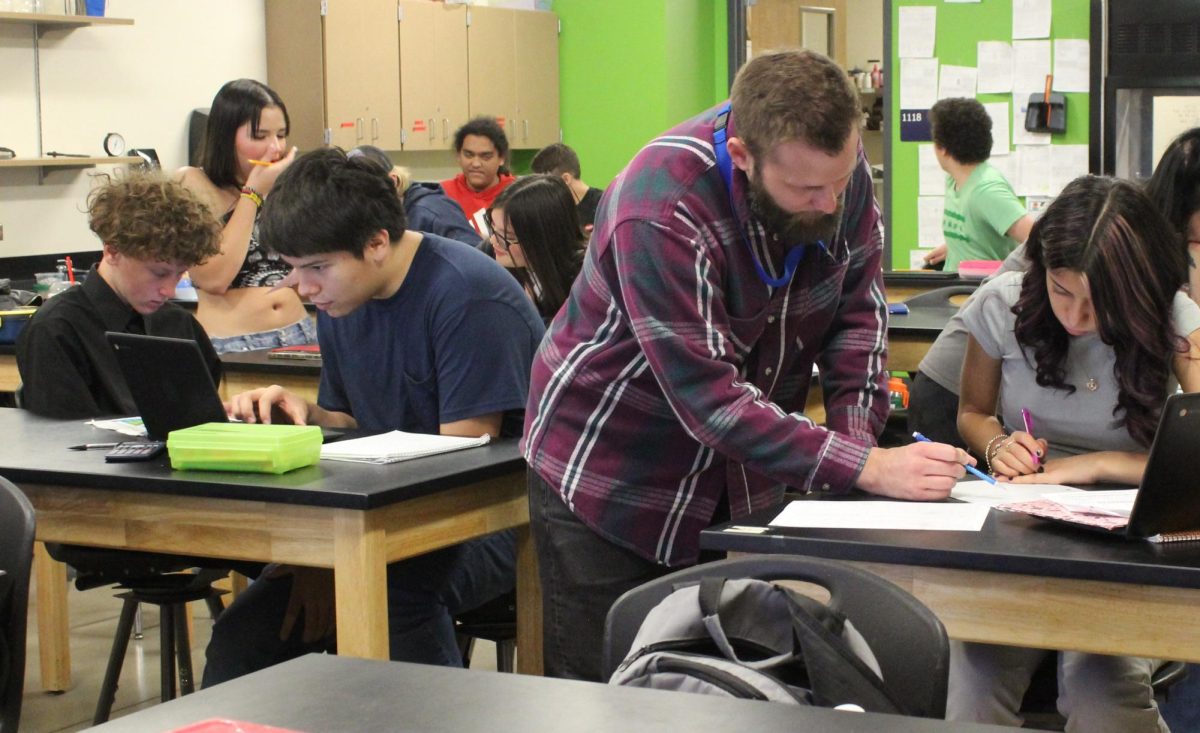
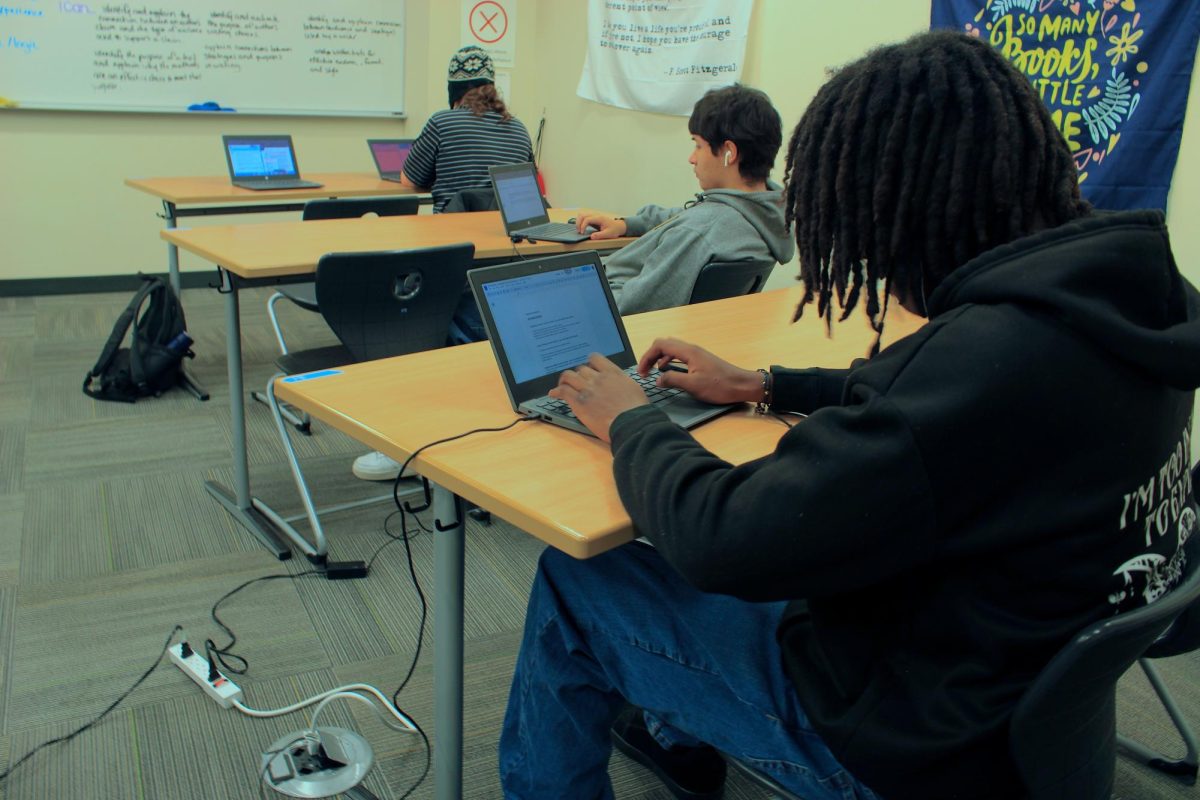
While most Englewood High School students are familiar with Character.AI, not all choose to use it. A quick survey of an EHS journalism class found that although everyone knew what the platform was, several students avoided it entirely. Some said they did not have time for it, while others said they were worried about its impact.
Students who have used Character.AI say the platform can be concerning, especially for teenagers. One major issue is the potential impact on mental health. Some students believe the platform can encourage emotional dependency, making users feel more connected to AI-generated characters than to real people.
“It exposes young students to sexually explicit material before they are old enough to understand it,” one student said.
Character.AI, launched in 2021, allows users to chat with AI-generated characters that mimic celebrities, fictional characters, or original personalities created by other users. The platform grew rapidly in popularity among teens in 2023 and 2024, often used “for fun,” “to escape,” or “to talk to someone who understood.”
However, the platform’s growth has been followed by serious legal concerns. In the past year, multiple lawsuits have been filed against Character.AI after reports that minors were exposed to inappropriate content. Some lawsuits allege that the chatbots encouraged isolation, risky behavior, or emotional dependency.
Several lawsuits filed by grieving parents claim the platform contributed to teen suicides or facilitated sexual exploitation or manipulation of minors. One lawsuit alleges the company intentionally designed the platform to attract vulnerable young users by offering “companionship” and emotional connection.
In response, Character.AI announced new safety restrictions, including limits on open-ended chats for users under 18. While these changes may help, many students believe they do not go far enough.
Some EHS students argue that Character.AI should be banned in schools or for minors entirely, saying it distracts students from real-world relationships and responsibilities. Others believe banning the platform completely is unrealistic, pointing out that students will continue to seek out similar technology elsewhere.
The real issue, students say, is not artificial intelligence itself, but the lack of education about how to use it responsibly.
“Kids can still use AI,” one student said. “It shouldn’t be 100 percent banned just because some kids are using it irresponsibly.”
Ultimately, Character.AI highlights the need for schools and families to have honest conversations about AI, mental health, and online safety. Ignoring the issue won’t make it go away — but educating students might prevent real harm.