























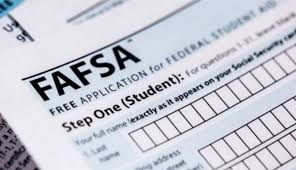
It is close to the end of the school year for students at Englewood High School. Final projects, final tests, and CMAS, SAT, and other standardized tests can weigh heavily on many students. But who is really putting the pressure on you to get good grades? Is it yourself, your parents/guardians, or teachers?
It’s important to recognize the sources of this academic pressure. At Englewood High School, students often feel the weight of expectations from multiple directions. Teachers may emphasize high performance to ensure students are prepared for future opportunities. Parents and guardians want to see their children succeed and may worry about college admissions or scholarships. The pressure peaks during the final weeks of the school year. Understanding why this pressure exists, whether it’s for future success, personal achievement, or meeting others’ expectations, can help students find healthy ways to cope and advocate for themselves.

Research from an article published by “The Garden” highlights that stress linked to exams at age 15 can significantly increase the risk of depression and self-harm into early adulthood. Academic pressure does not just affect students in the moment; it can cast a shadow over their mental health for years to come. Academic pressure is known to have a detrimental impact on mood and overall well-being, but until now, few studies have examined the long-term effects on mental health.
Jamie Pollet, the vice principal at Englewood High School, is used to students coming to her, asking about their future or concerns about their grades.
“In doing testing for PSAT and SATs, we have a lot of conversations about how those tests are going to impact students’ futures, and how that’s going to open up doors for them.”

Reassuring them is also a day-to-day, and her technique of hopeful thinking definitely helps.
“I think it’s important to make sure students know that there are lots of opportunities out there and that there is not just one perfect opportunity that’s going to open up in the future. And just to make sure that they are putting themselves in the best position available to keep all those doors open for the future and to have the brightest possible future.”
As well as students’ grades, she also has an important job in assisting students with their college stress.
“High School students have a lot of stress. I would say, in thinking about their future, how their grades are going to impact that, and extracurriculars, it can be really stressful, and I think it’s important to have management techniques in order to help self-regulate and deal with that stress. I think social media has made it even worse, too, where it just distracts from all the other things that are happening in life.”
Pollet urges not to let that sway you.“I also think it is really important to stay grounded in life every day and not to get too discouraged by what everybody else is doing.”
Dawn Cominsky, a student counselor at Englewood High School, is also frequently asked about students’ stress related to academics, schedules, and college admissions, particularly for juniors and seniors. “Junior year is a really hard year because you’ve got all your hardest classes, and those are the grades that end up on your transcript before you start applying at the beginning of your senior year.”
Having highlighted the pressures that come from all sides, Cominsky then shares words of reassurance,
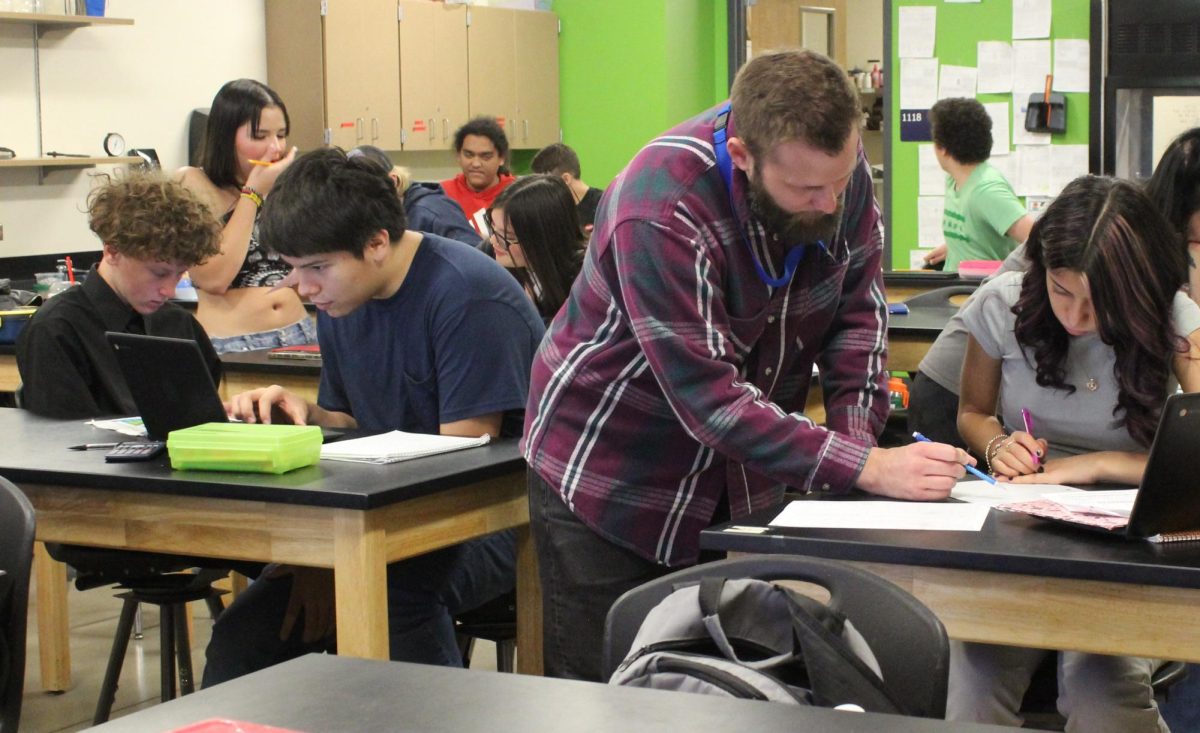
“What I say is, you can only do so much. Right? Take one day at a time, but time management is huge. Using your time wisely and not avoiding duties because procrastination never gets it done. So, the more you create a schedule to carve out time in your day, alleviates a lot of stress. And asking for help as well, because all the adults in the building are here, willing and happy to help in any way you might need.”
But, hearing about how to manage it is one thing; how do students in Englewood feel about the level of academic pressure present in high school?
Jared Woodard, a senior, shares his experience.
“I would say the higher you get up in your grade level, the more pressure you have put on yourself as far as your academics. Whether that be teachers wanting you to get every assignment turned in, or your parents making sure you can graduate, it definitely goes up.”
Now, facing these rising expectations and new social pressures, how can it affect students to see themselves? Low grades often lead to feelings of being a failure, increased anxiety, and reduced self-esteem. However, Woodard doesn’t conform to that stigma.
“A letter doesn’t really define who I am as a person, however, I do care about my grades because it shows that I still put in work and that I want to be here.” He says creating that balance is important.
Woodard, like many students, also experienced feelings of being overwhelmed with schedules and extracurriculars.
“I’ve had an overwhelming schedule before, and I feel like it came from having a lot of academic credits piled into one schedule, such as core classes or electives that are beneficial for self-growth.”
Another student who has struggled with academic pressure is freshman Zoe Harkness.
“A lot of the time, classes will have tests on top of tests, and I have felt overwhelmed a lot in that sense.”
To manage this academic pressure, teachers say students can break large assignments into smaller, manageable chunks, create a prioritized to-do list, and practice self-care.
Two other seniors, Kalani Rafuls and Kaden Hanlon, both agreed that, while expectations exist, the intensity is noticeably lower compared to other schools they have attended.
“I wouldn’t describe it as very high. I think there’s a good level of pressure where there’s good incentive to take it, rather than other schools where there’s high demand for it,” Rafuls said.
Hanlon agreed.
“I’ve been to other schools, and so far this year, it’s been significantly easier. It’s still a challenge here and there, but it’s definitely been an easier roller coaster.”
Standardized tests, often a major source of stress for high school students, seem to have less impact on their stress levels.
“It’s not extremely high because I don’t think college is as demanding as it used to be. And SATs overall are mostly analytical thinking rather than actual smarts. So I think more of a mindset of taking a seat rather than studying in all the journals of math,” Rafuls said, “College used to be super incentivized, and now it’s kind of just what do, what you want to do. So when it comes to the SAT, you know, try your hardest, but it’s not the scariest thing on the planet.”
Both recognize the importance of maintaining good grades, with Hanlon adding, “You have to hold yourself to a standard. You don’t want to be someone who is flunking out, but as someone intelligent, because you need to show your intelligence in some type of way.” Both Rafuls and Hanlon feel reassured by the growing availability of options, which helps ease the pressure they feel about their academic futures.
As AP testing and finals approach, students may need a helping hand to manage stress. EHS has mental health support teams that can give you tips. There are several ways that Englewood students can better handle academic pressure, for example, avoiding procrastination and taking it one assignment or test at a time.